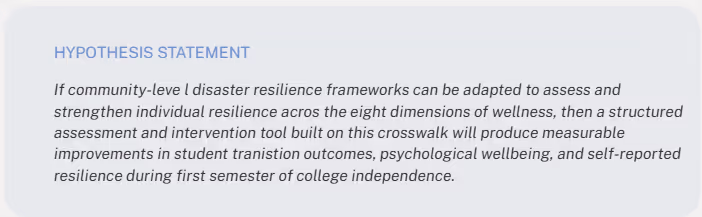
Two established frameworks. One original synthesis.
The hypothesis: what helps coastal communities survive disaster is the same structure that helps students survive the hardest transition of their lives.
Disaster resilience research identifies two forces that determine whether a community survives a disruption. CampusMind maps those same two forces into the college transition experience
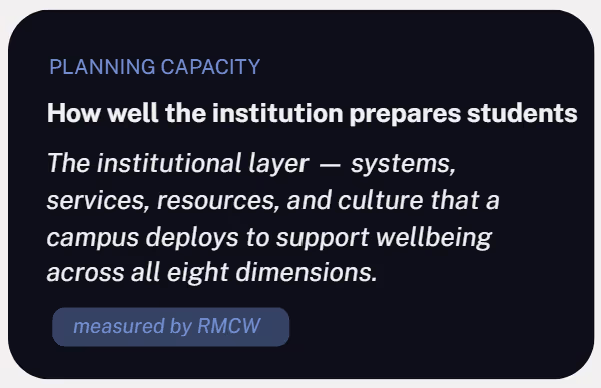
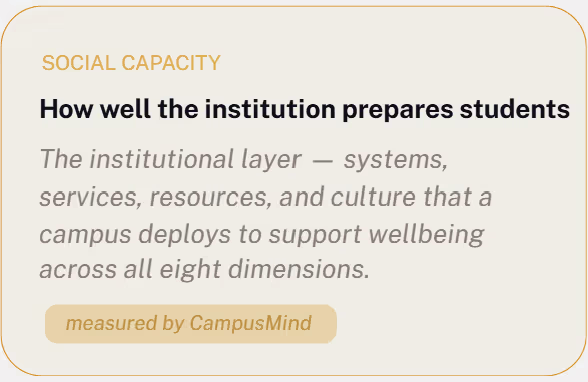
The gap between these two layers - visible in the College Showcase radar chart — is the core research signal.
The 8 Dimensions of Wellness provide the measurement structure. Each dimension means something different at the individual level vs the institutional level — but the crosswalk is direct.
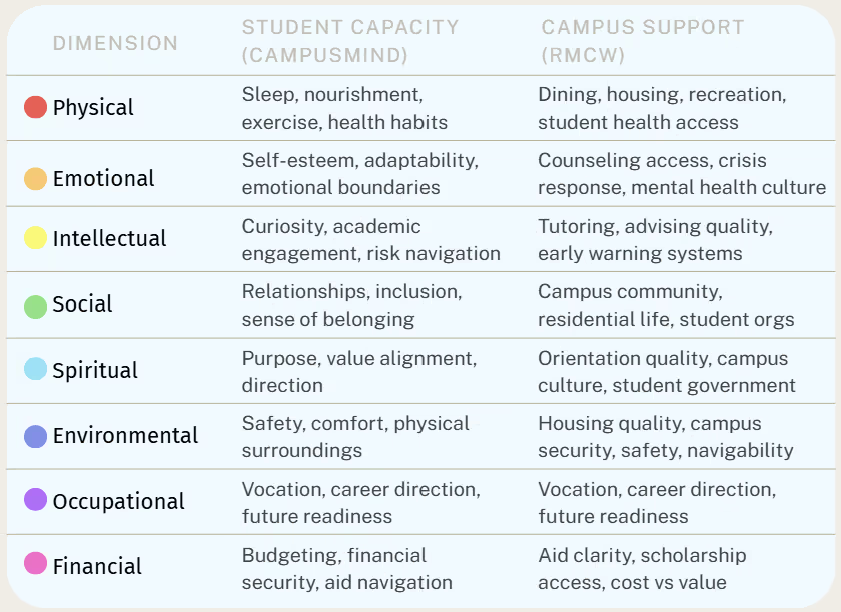
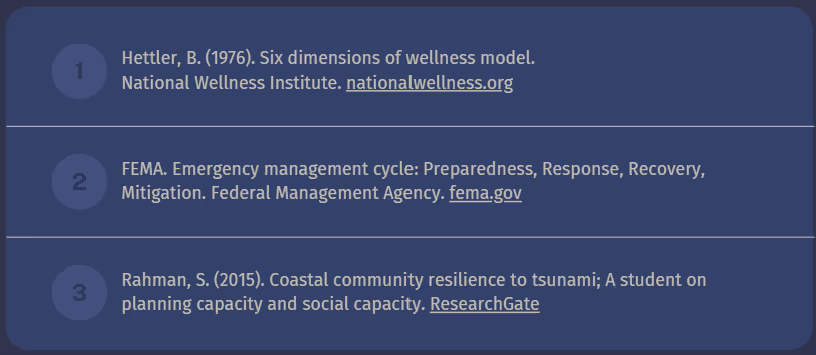
Dimensions of Welless: Hettler, B. (1976). National Wellness Institute. nationalwellness.org
The four phases of the disaster management lifecycle map directly onto four dominant resilience modes. Every student operates from one of these at any given moment — and it changes. That's the point.
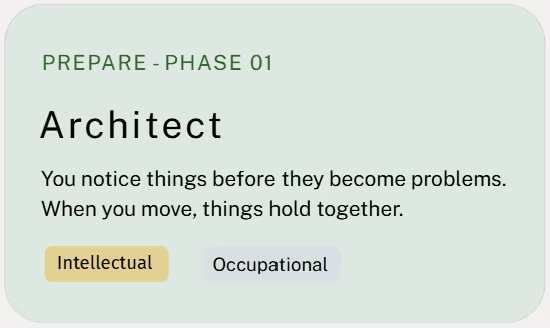
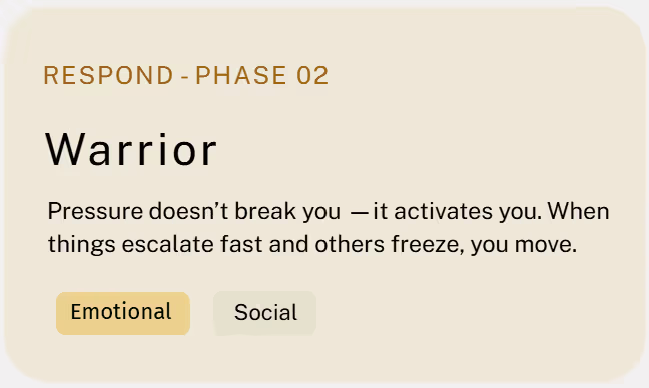
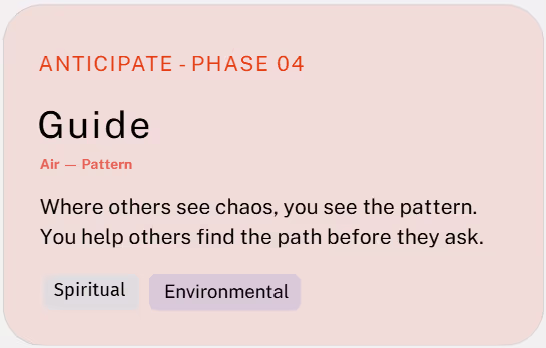
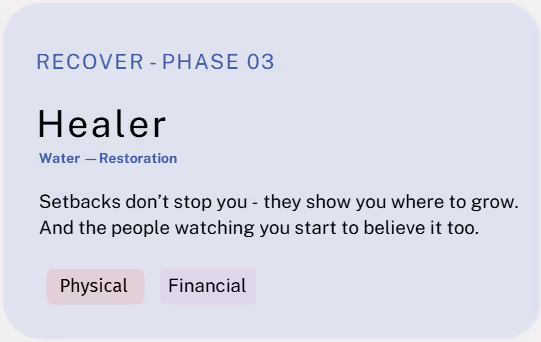
Disaster management lifecycle: FEMA Emergency Management Cycle - Preparedness - Response - Recovery - Mitigation
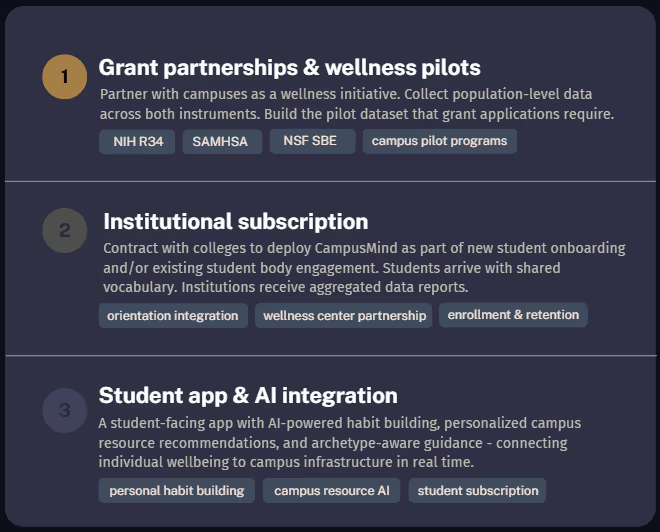
The framework is designed to scale. Each phase builds the evidence base for the next — from pilot data to institutional subscription to individual student app.
Dimensions of Welless: Hettler, B. (1976). National Wellness Institute. nationalwellness.org
Citations
The Resilient Mind framework is he author's original synthesis. CampusMind and Rate My Campus Wellbeing are the instruments designed to test it.