
College belonging tips that work: join one campus organization, attend welcome week events, form study groups with classmates, and seek out affinity communities. Students involved in campus activities have retention rates 14 percentage points higher than uninvolved peers [4].
Three weeks into freshman year, I watched a student eat lunch alone in the dining hall for the fifth day straight. She told me later she'd assumed everyone else had figured out the social thing—that she was the only one struggling. She wasn't. Not even close.
A 2024 survey from Active Minds and TimelyCare put a number on it: 65% of college students report feeling lonely [1]. That's not a small minority. That's most of us, at some point.
Here's what nobody tells you during orientation: belonging doesn't happen automatically. It's not about being extroverted or lucky or having the "right" roommate. It's built through small, repeated actions—showing up, saying yes, pushing through awkwardness. These college belonging tips break down exactly how to do that.
Why This Actually Matters for Your Degree
Let's be blunt: feeling disconnected doesn't just hurt emotionally. It predicts whether you'll finish your degree.
The National Student Clearinghouse tracked every student who started college in fall 2022. Just over 76% came back for year two—the highest rate in a decade [3]. Good news, right? But dig into the data and you'll find a stark divide.
At Indiana University Indianapolis, students who joined at least one organization were retained at rates 14 percentage points higher than those who didn't [4]. The University of Houston saw similar patterns: students with four or more campus engagements hit a 92% retention rate. Students with zero engagements? Just 78% [5].
Fourteen points. That's the difference between graduating and becoming a statistic.
Peer-reviewed research backs this up. A study published in Educational Researcher found that belonging at four-year institutions predicts better persistence, stronger engagement, and improved mental health outcomes—even after controlling for a ton of other variables [2].
Loneliness Is the Norm, Not the Exception

Surgeon General Vivek Murthy called loneliness a public health "epidemic" in 2023. College campuses are ground zero.
Think about it: you've left behind every friendship you spent years building. Your support system is now a phone call away instead of down the street. You're surrounded by people—thousands of them—and somehow that makes the isolation feel worse.
Students who feel lonely are over four times more likely to experience severe psychological distress [1]. Four times. That's not a correlation to ignore.
But there's movement in the right direction. The 2024-2025 Healthy Minds Study found that students reporting high loneliness dropped from 58% in 2022 to 52% in 2025 [6]. Progress is slow, but it's happening—and you can accelerate it for yourself.
Five College Belonging Tips That Actually Work
1. Join One Thing (Just One)
Not five clubs. Not the "right" organization. Just one thing that sounds remotely interesting.
Students who attended welcome week events had fall-to-fall retention rates 11 percentage points higher than those who skipped them [7]. The magic isn't in finding your perfect fit immediately—it's in exposure. You meet people. Some connections stick. Most don't. That's fine.
The JED Foundation suggests starting with peer-led groups that match your background or interests, academic clubs in your major, intramural sports, or volunteer opportunities [8]. Pick based on curiosity, not certainty.
2. Turn Classmates into Study Partners
You already have something in common with the person sitting next to you in lecture: the material. Use it.
Ask someone to grab coffee before an exam. Suggest a group text for homework questions. These aren't grand gestures—they're low-stakes invitations that often turn into something more.
University of Illinois researchers identified four factors that drive student belonging: identification with the institution, social match, social acceptance, and cultural capital in higher education [9]. Study groups hit multiple factors at once. You're building academic confidence and social bonds simultaneously.
3. Show Up to Campus Events (Even When You'd Rather Not)
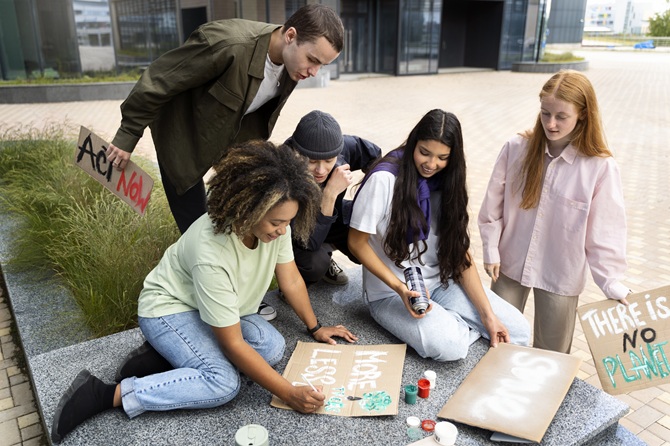
Residence hall programs. Welcome week mixers. Random Tuesday night activities. They all feel awkward—and they all work.
Valdosta State University found that students attending at least 10 events per semester were 13 percentage points more likely to persist to the next term [10]. The events themselves almost don't matter. What matters is the repeated exposure to potential connections.
Everyone in that room feels uncomfortable. Everyone wishes they'd stayed home. The ones who keep showing up are the ones who eventually stop feeling that way.
4. Talk to Faculty and Staff
Belonging isn't just about peers. Adults on campus matter too.
Visit office hours—not because you need help, but because building that relationship pays off. Introduce yourself to your advisor. Chat with residence hall staff. JED Campus data shows that schools with trained advisors who proactively reach out to disconnected students see better retention outcomes [11].
You don't have to wait for them to notice you're struggling. Make yourself known before you need help.
5. Find Your Affinity Community
If your campus looks different from where you grew up, seek out groups that share your background. First-generation organizations. Cultural groups. LGBTQ+ communities. Religious or spiritual groups. International student associations.
The JED Foundation puts it simply: finding affinity groups matters most "if your new school has a different demographic makeup from your home" [8]. These communities become a foundation. From there, you branch out.
When It's Still Not Working
Sometimes you try everything and loneliness persists. Social anxiety, depression, homesickness—these aren't character flaws. They're obstacles that often require professional support.
Campus counseling centers exist for exactly this reason. The 2024 Healthy Minds Study found that 61% of students with depressive or anxiety symptoms are now using mental health therapy or counseling—a significant jump from previous years [6]. Seeking help isn't weakness. It's increasingly normal.
CampusMind's self-assessment tools can help you identify where you're thriving and where you might need support. Understanding your wellness across social, emotional, and academic dimensions gives you clarity on next steps.
The Bottom Line

Belonging isn't found. It's built.
Every awkward introduction, every event you force yourself to attend, every study group you organize—it compounds. Students who feel connected stay enrolled, perform better, and graduate at higher rates [2]. That's not opinion. That's what the data shows.
Start small. Pick one thing from this list and do it this week. The student eating alone in the dining hall? They're hoping someone sits down. Maybe that someone is you.
Ready to take the first step? Use CampusMind's free self-assessment to understand your current wellness across all eight dimensions—including social connection. Get personalized insights and resources tailored to where you are right now. Take the assessment →
Common Questions About College Belonging
How long until I actually feel like I belong?
Honestly? Usually a semester or two. The first few weeks are brutal for almost everyone—even the people who look like they've got it figured out. Don't measure yourself against week three. Focus on consistent effort: joining things, showing up, being patient with the process.
I'm introverted. Does that mean I'm doomed?
Not at all. Introversion just means you might prefer deeper one-on-one connections over big group settings. Study groups, smaller academic clubs, interest-based organizations—these let you build relationships around shared activities rather than forced small talk. You don't need to be at every party to find your people.
What if I'm a commuter or online student?
It's harder, no question. But not impossible. Virtual clubs and online study groups are increasingly common. If you commute, try arriving early and using campus spaces between classes. Even joining one in-person activity creates touchpoints for connection that compound over time.
I've tried everything and still feel isolated. Now what?
If loneliness persists despite real effort, something deeper might be going on—and that's okay. Social anxiety, depression, adjustment disorders—these respond well to professional support. Campus counseling centers are a good starting point. Peer mentoring programs can help too. You're not broken; you might just need different tools.
Why does belonging even matter for academics?
Students who feel connected are more likely to ask for help when they're struggling, more likely to persist through difficult courses, and more likely to return next semester. The retention data is overwhelming: involvement correlates with graduation. Belonging isn't separate from academic success—it's foundational to it.
College belonging tips that work remain some of the most effective strategies for reducing loneliness, strengthening academic persistence, and increasing your chances of graduating. Whether you join one organization, attend campus events, or build study groups, these College belonging tips that work can significantly improve your sense of connection and overall student success.
About This Article
Written by: Campus Mind Editorial Team
Our team specializes in evidence-based student success strategies. We synthesize peer-reviewed research from organizations including the National Student Clearinghouse Research Center, Healthy Minds Network, and JED Foundation to create actionable guidance for college students and the professionals who support them.
Editorial Standards:
Every statistic in this article is sourced from published research or institutional data. Claims are verified against primary sources. Content is reviewed by Campus Mind's Student Success Advisory Team before publication.
Important Note:
This article provides general guidance on social connection and campus involvement. It is not a substitute for professional mental health support. If you're experiencing persistent distress, please reach out to your campus counseling center or contact the 988 Suicide and Crisis Lifeline.
Citations
[1] Active Minds & TimelyCare. "Loneliness, Resilience, and Mental Health: A Call for Campus Action." May 2024. https://activeminds.org
[2] Gopalan, M. & Brady, S.T. "College Students' Sense of Belonging: A National Perspective." Educational Researcher, 49(2), 134–137. December 2019.
[3] National Student Clearinghouse Research Center. "2024 Persistence and Retention Report." June 27, 2024. https://nscresearchcenter.org
[4] Indiana University Indianapolis Division of Student Affairs. "Campus involvement is key to student retention." January 29, 2024. https://studentaffairs.indianapolis.iu.edu
[5] University of Houston Division of Student Affairs. "Student Engagement Yields Results." August 2025. https://uh.edu/dsa
[6] Healthy Minds Network. "2024-2025 Healthy Minds Study National Data Report." September 2025. https://healthymindsnetwork.org
[7] Inside Higher Ed. "Could campus activity involvement keep students in college?" December 10, 2024. https://insidehighered.com
[8] The Jed Foundation. "How to Make Friends in College." December 2024. https://jedfoundation.org
[9] Inside Higher Ed. "Study evaluates four factors of college student belonging." February 19, 2024. https://insidehighered.com
[10] Modern Campus. "How Student Engagement Can Make or Break Your Retention Rate." March 2025. https://moderncampus.com
[11] The Jed Foundation. "JED's Impact on Campuses." September 2024. https://jedfoundation.org