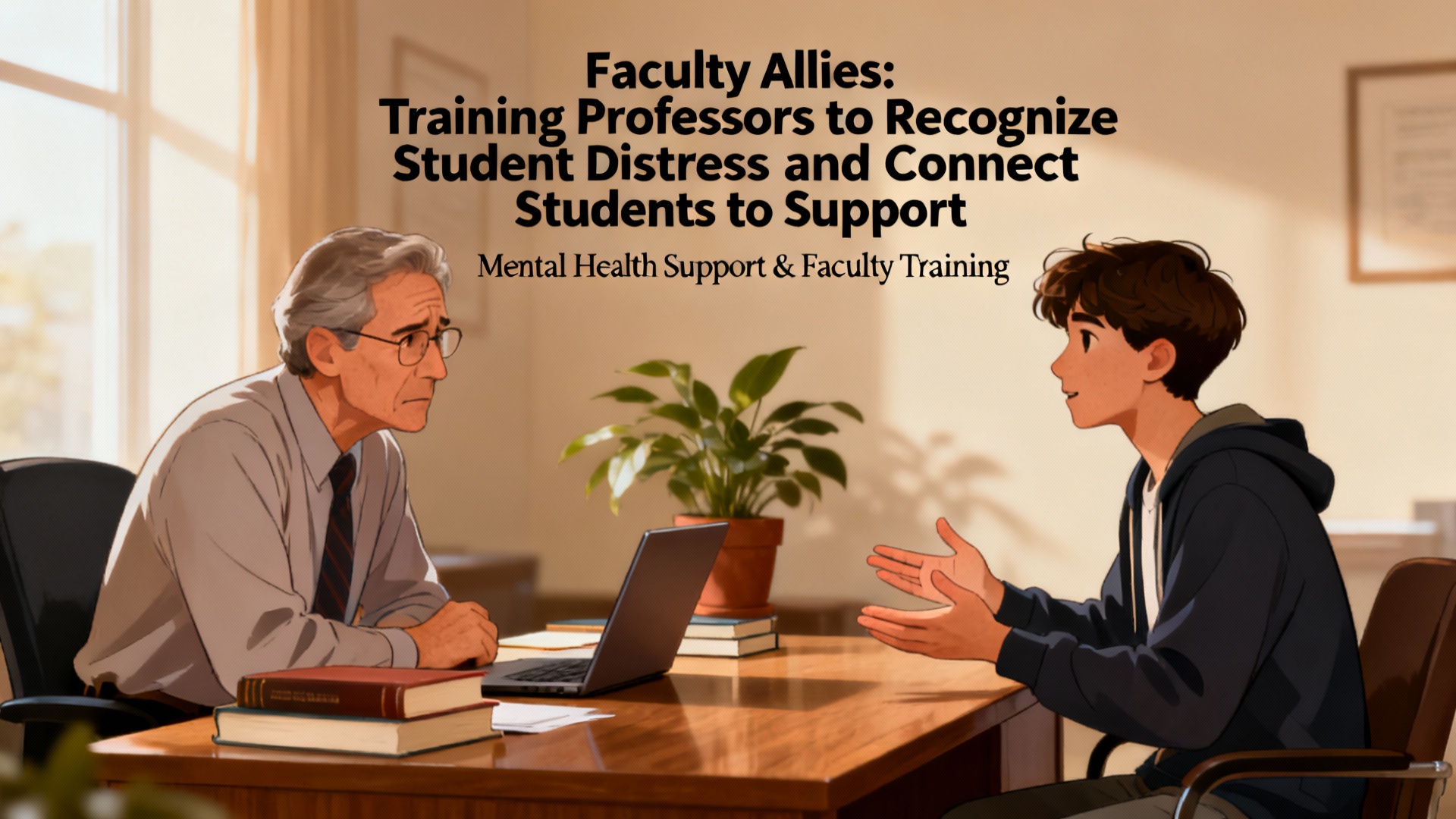
Starting college is exciting. It's also overwhelming.
You're juggling new classes, navigating unfamiliar campus buildings, making friends, and trying to figure out laundry. In the middle of all this, it's easy to drift through freshman year without a clear direction. But here's what successful students know: having a college success plan turns chaos into clarity.
A personalized success plan isn't some rigid checklist that squashes your spontaneity. It's your roadmap—flexible enough to evolve with you, structured enough to keep you on track. Whether you're aiming for a 4.0 GPA, exploring career options, or simply trying not to feel lost, building your own plan helps you own your first year instead of just surviving it.
Why First-Year College Students Need a Success Plan

College isn't high school with extra freedom. The stakes are higher, the support is less obvious, and nobody's tracking whether you showed up to class. Research consistently shows that students who set clear goals perform better academically, experience less burnout, and are more likely to persist through graduation.
According to data from Inside Higher Ed, seven in 10 college students feel overwhelmed by their financial responsibilities, and four in five say stress impacts their ability to focus and learn. Meanwhile, national retention rates hover around 76.5% for first-year students—meaning nearly one in four freshmen don't make it to sophomore year.
The difference often comes down to planning. Students with concrete goals know what they're working toward. They use campus resources strategically. They bounce back from setbacks because they've already thought through contingencies.
Without a plan, you're reactive—scrambling when midterms hit, panicking about career fairs, wondering why everyone else seems to have it together. With a plan, you're proactive. You see challenges coming and you handle them.
Step 1: Assess Where You're Starting From
Before setting goals, you need to know your baseline. Grab a notebook or open a fresh doc and answer these questions honestly:
Academically: What subjects come easily? Which ones make you nervous? Do you have strong study habits from high school, or are you starting from scratch?
Socially: Are you naturally outgoing or more reserved? Do you have friends on campus already, or are you starting fresh?
Financially: How comfortable are you with your finances? Do you understand your financial aid package? Are you working while attending classes?
Personally: What are your biggest stressors right now? Sleep? Homesickness? Time management? Knowing what you're bringing to college—strengths and struggles—helps you build a plan that actually fits your life.
Step 2: Set SMART Goals for Your First Year

Generic goals like "do well in college" won't cut it. You need specific, measurable targets that motivate you and keep you accountable.
Use the SMART framework: goals should be Specific, Measurable, Achievable, Relevant, and Time-bound. Educational research from Rutgers University and other institutions confirms that students who set SMART goals achieve higher academic performance and demonstrate greater persistence.
Academic SMART goal example: "I will earn at least a 3.5 GPA this semester by attending all classes, reviewing notes within 24 hours of each lecture, and using the tutoring center for Chemistry."
Social SMART goal example: "I will join two campus clubs by October 1st and attend at least three meetings for each to find where I feel connected."
Career exploration SMART goal example: "I will meet with my academic advisor twice this semester to discuss potential majors and attend one career fair by November."
Wellness SMART goal example: "I will establish a consistent sleep schedule of 7-8 hours per night and exercise three times weekly to manage stress."
Write down at least four goals spanning academics, social connections, career exploration, and personal wellbeing. These become the pillars of your college success plan.
Step 3: Map Your Campus Resources
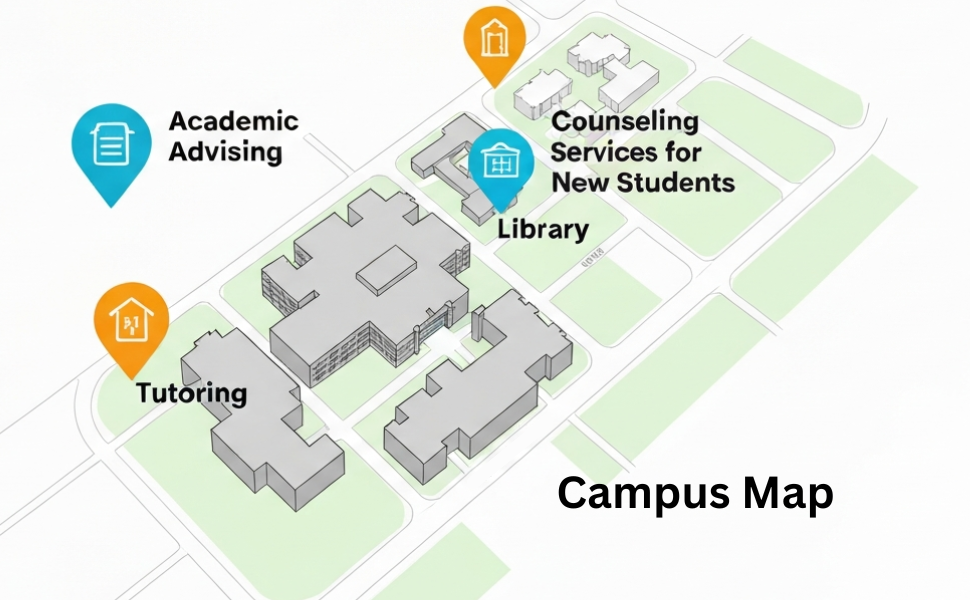
Most college students don't know what resources their campus offers. A 2024 study from Tyton Partners found that only about half of students are aware of available academic advising and career counseling services, and fewer than one-third know about tutoring centers or library research assistance.
Here's the problem: students who stop out are significantly less likely to have known about campus resources that could have helped them stay enrolled. You can't use what you don't know exists.
Spend your first few weeks exploring. Here's what to locate and how each supports your goals:
Academic advising: Schedule your first meeting within the first month. Advisors help you plan your course schedule, understand graduation requirements, and explore majors. Use them to align your coursework with your career interests.
Tutoring and learning centers: Don't wait until you're failing. Successful students use tutoring early and often to strengthen understanding, not just for crisis intervention.
Career services: Most campuses offer resume workshops, mock interviews, and career exploration tools. Start freshman year, not senior year when you're panicking about jobs.
Counseling and mental health services: Mental health has surpassed academic difficulty as the top student success concern in 2024. Know where counseling services are located and how to access them before you need them.
Financial aid office: Whether you're confused about loans, looking for emergency funding, or exploring scholarship opportunities, financial advisors can help you navigate money stress that derails academic focus.
Writing centers: Strong writing is essential across disciplines. Writing centers offer free support for papers, applications, and communication skills.
Library research support: Librarians aren't just shelving books. They teach research skills, provide access to academic databases, and often offer 24/7 chat support for urgent questions.
Create a simple spreadsheet or note with names, locations, hours, and contact information for each resource. Knowing where to go eliminates the friction that prevents students from seeking help when they need it most.
Step 4: Build Your Weekly Schedule and Routines

Goals without execution are just wishes. Time management is the bridge between intentions and results.
Among students using Montclair State University's Academic Coaching program, 75% identified time management as their primary challenge, followed by meeting deadlines at 61%. You're not alone if scheduling feels impossible.
Start by blocking out your fixed commitments: class times, work shifts, team practices. Then add study time—a general rule is two hours of study for every one hour in class, though this varies by course difficulty.
Build in routine blocks for:
Daily review: Spend 15-30 minutes reviewing that day's notes while the material is fresh. This simple habit dramatically improves retention and reduces cramming stress.
Weekly planning: Every Sunday evening, review the coming week. When are assignments due? When will you work on them? What meetings or events are happening?
Self-care non-negotiables: Schedule exercise, meals, sleep, and downtime the same way you schedule classes. These aren't extras—they're the foundation that makes everything else possible.
Use digital tools or planners that work for your brain. Some students swear by Google Calendar. Others prefer physical planners they can carry everywhere. Experiment until you find what sticks.
Step 5: Track Progress and Adjust Your Plan

Your college success plan isn't carved in stone. It's a living document that evolves as you learn what works and what doesn't.
Set regular check-in points to assess progress:
Weekly check-ins: Did you complete what you planned this week? What got in the way? What went well? Make small adjustments for the coming week.
Monthly reflections: Review your SMART goals. Are you on track? Do any goals need revision based on new information about your interests or circumstances?
Semester reviews: At midterms and finals, do a deeper dive. Calculate your current GPA. Assess which study strategies helped most. Identify patterns in what challenged you.
Macmillan Learning research found that students who engage in regular goal-setting and reflection surveys show measurably better academic outcomes. Just 15 minutes monthly reflecting on study skills and strategies can build critical self-awareness.
Celebrate milestones when you hit them. Finished your first college paper? Aced a difficult exam? Made a new friend? These wins matter. Recognizing progress fuels motivation for the road ahead.
Step 6: Connect with People Who Support Your Success
College success isn't a solo sport. The students who thrive build networks of support—peers, faculty, mentors, and family.
Find your people: Join student organizations related to your interests. Living in a campus residence hall? Attend floor events. In commuter programs? Look for commuter student groups. Data shows that students involved in campus activities have higher retention rates, even if many don't initially see the connection between involvement and success.
Build faculty relationships: Attend office hours, not just when you're struggling. Ask questions in class. Request feedback on drafts. Faculty connections matter for learning, letters of recommendation, and career guidance.

Form study groups: Collaborative learning helps you understand material more deeply and creates built-in accountability for staying on top of coursework.
Stay connected to home: Balance independence with support. Regular check-ins with family or trusted mentors provide perspective when college feels overwhelming.
Seek mentors: Many campuses offer peer mentoring programs where upperclassmen guide freshmen through common challenges. Take advantage of these relationships—they've been where you are.
Common First-Year Mistakes to Avoid
Even with a solid college success plan, some pitfalls trip up first-year students:
Overcommitting: Saying yes to everything leads to burnout. Be selective about commitments, especially first semester.
Skipping class: Attendance directly correlates with grades. Missing class creates a snowball effect that's hard to recover from.
Ignoring small assignments: Those "low-stakes" quizzes and homework assignments add up. They're also practice for bigger exams.
Waiting to ask for help: By the time you're desperate, you're already behind. Reach out early when you notice struggles.
Neglecting self-care: All-nighters and surviving on caffeine might seem necessary, but they tank your performance and wellbeing. Protect your sleep, nutrition, and mental health.
Ready to Take Ownership of Your College Journey?
Building a personalized college success plan transforms your first year from something that happens to you into something you actively create. With clear goals, knowledge of campus resources, solid routines, and supportive connections, you're equipped to navigate challenges and make the most of opportunities.
The students who succeed aren't necessarily the smartest or most prepared. They're the ones who take ownership of their experience, seek help when needed, and stay flexible when plans change.
Your first year sets the foundation for everything that follows. Make it count.
Take the next step: Explore Campus Mind's student success resources and complete our self-assessment quiz to identify your personal strengths and areas for growth. Your future self will thank you.
Frequently Asked Questions
How detailed should my college success plan be?
Your plan should be detailed enough to guide action but flexible enough to adapt. Start with 3-5 major goals per semester, each broken into specific action steps. Update it monthly based on what you learn. Think of it as a GPS that recalculates when you take a detour, not a rigid script you must follow perfectly.
What if I don't know my major yet?
That's completely normal. Most students change majors at least once, and many successful people didn't figure out their path until sophomore or junior year. Focus your first-year plan on exploring options: try diverse courses, meet with career services, talk to upperclassmen in different majors, and shadow professionals. Your plan can include "exploration goals" like attending three major-specific info sessions or job shadowing in two career fields.
How do I balance planning with being spontaneous and enjoying college?
A good college success plan actually creates more freedom for spontaneity, not less. When you've scheduled your must-dos—classes, study time, sleep—you know exactly when you have free time to be spontaneous without guilt or stress. Plan the essentials so you can be present for unexpected opportunities.
What should I do if I'm falling behind on my goals?
First, assess why. Are your goals unrealistic? Did unexpected challenges arise? Are you struggling with time management or need different strategies? Adjust your plan based on what you learn. Break big goals into smaller steps. Reach out to campus resources—academic coaches, advisors, or counselors—who can help you get back on track. Falling behind isn't failure; staying behind without adjusting is.
How can Campus Mind help me create and stick to my success plan?
Campus Mind provides tools to build your personalized college success plan, track your wellbeing across eight dimensions, and connect you to campus resources precisely when you need them. Our platform helps you set goals, monitor progress, and receive timely support, making it easier to stay accountable and thrive throughout your college journey.
E-E-A-T Compliance
This article is designed to provide general educational guidance on building a personalized success plan for first-year college students. The strategies and frameworks presented are based on widely recognized educational research and best practices in student success, including SMART goal methodology and self-regulated learning principles.
While this guidance can support students in developing effective planning strategies, it should not replace personalized advising from academic counselors, mental health professionals, or other campus support staff who understand individual circumstances and institutional-specific resources. Students facing significant academic challenges, mental health concerns, or other complex issues should seek direct support from qualified professionals at their institution.
The information provided reflects general trends and data in higher education but may not apply equally to all institutions or student populations. Campus resource availability, academic policies, and support structures vary significantly across colleges and universities.
Cited Works
Inside Higher Ed — "Trends in higher education student success for 2025." https://www.insidehighered.com/news/student-success/college-experience/2024/12/20/trends-higher-education-student-success-2025
National Student Clearinghouse Research Center — "Yearly Progress and Completion." https://nscresearchcenter.org/yearly-progress-and-completion/
Rutgers Academic Success — "Ain't Stressin' Bout [SMART] Goal Settin'." https://success.camden.rutgers.edu/2024/04/02/aint-stressin-bout-smart-goal-settin/
Frontiers in Education — "Goal setting in higher education: how, why, and when are students prompted to set goals? A systematic review." https://www.frontiersin.org/journals/education/articles/10.3389/feduc.2024.1511605/full
Inside Higher Ed — "Survey: Gaps persist in college student resource awareness." https://www.insidehighered.com/news/student-success/academic-life/2024/09/24/survey-gaps-persist-college-student-resource
Modern Campus — "Student Retention Strategies: 8 Proven Methods to Boost Higher Ed Success." https://moderncampus.com/blog/strategies-for-improving-retention-in-higher-education.html
Inside Higher Ed — "Campus campaign teaches college students successful habits." https://www.insidehighered.com/news/student-success/academic-life/2024/04/29/campus-campaign-teaches-college-students-successful
Macmillan Learning UK — "Setting Goals Helps Students Do Better." https://www.macmillanlearning.com/ed/uk/blog-new-research-shows-that-setting-goals-helps-students-do-better-in-their-classes
EAB — "2024's biggest student success lessons." https://eab.com/resources/blog/student-success-blog/2024s-biggest-student-success-lessons/