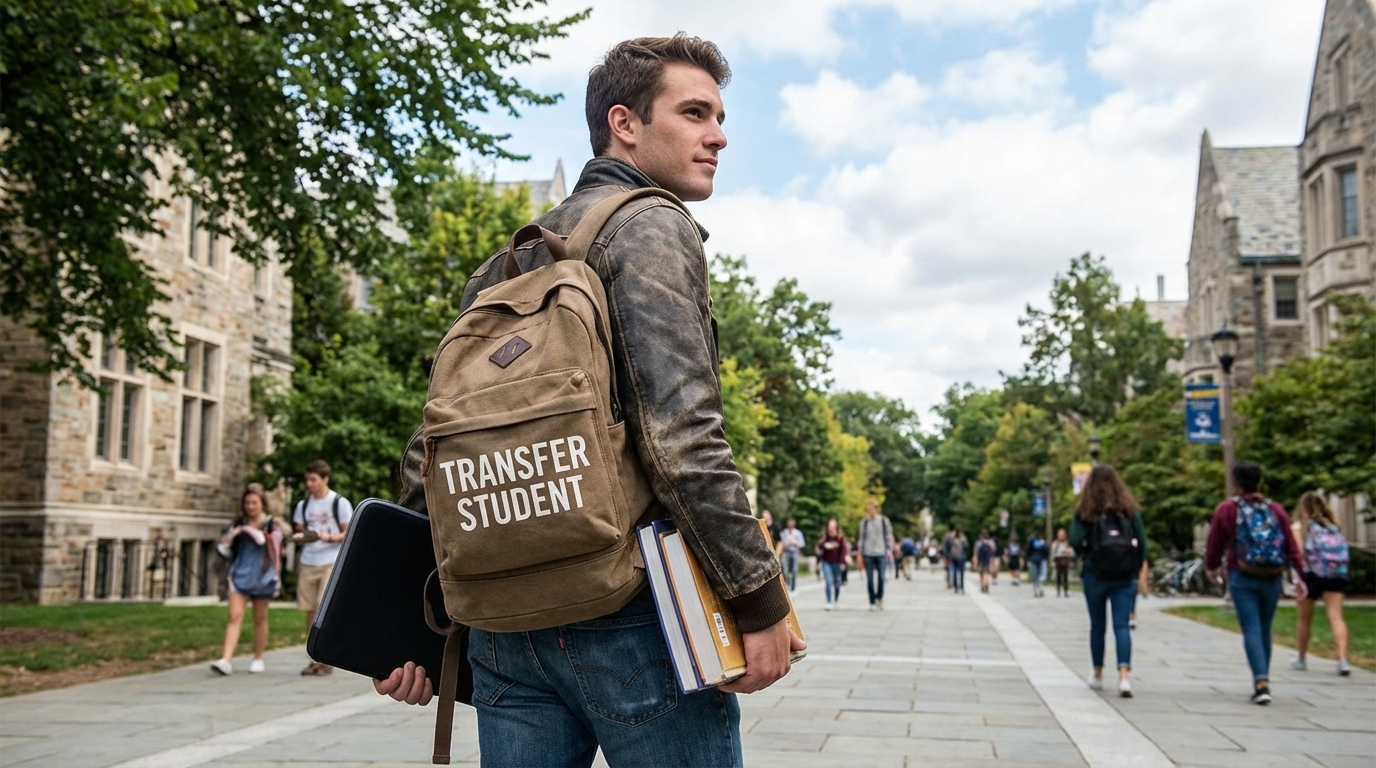
Starting at a new college as a transfer student can feel like showing up halfway through a movie you've never seen. Everyone else seems to know where things are, who's who, and what the unwritten rules are. You're not imagining it—transfer students face a unique set of challenges that freshmen don't encounter.
But here's the good news: with the right approach, you can quickly find your footing and make your new campus feel like home. This guide will walk you through practical strategies to navigate your transition, build meaningful connections, and set yourself up for academic success.
Understanding the Transfer Student Experience
Transfer students represent a significant portion of college populations. According to the National Student Clearinghouse Research Center, approximately one-third of all college students transfer at least once before earning their degree [1]. Despite these numbers, many campuses still design their orientation and support systems primarily around first-year students.
This creates a gap. You've already completed college coursework, so you don't need the "College 101" basics. But you do need help understanding your new institution's specific culture, policies, and resources. Recognizing this difference is the first step toward a successful transition.
Common Transfer Challenges
Transfer students often encounter obstacles that traditional freshmen don't face:
Credit transfer confusion: Not all your previous credits may count toward your new degree, potentially extending your time to graduation
Social integration difficulties: Established friend groups can make it harder to break into the social scene
Academic adjustment: Different schools have different expectations, grading standards, and teaching styles
Resource awareness: You might not know what support services exist or feel comfortable using them
Housing complications: Transfer students may live off-campus or arrive after residence hall communities have already formed
Understanding these challenges helps you address them proactively rather than feeling blindsided.
Starting Strong: Your First Weeks on Campus
The first few weeks at your new school set the tone for your entire experience. Make them count.

Attend Transfer-Specific Orientation
If your school offers orientation specifically for transfer students, treat it as mandatory. These programs are designed to address your unique needs—not just general campus information. You'll meet other transfer students who are navigating the same transition, which immediately gives you a built-in peer group.
During orientation, pay close attention to information about academic advising, credit evaluation, and degree requirements. Ask questions about anything unclear. This is your chance to get clarity before the semester gets hectic.
Meet with Your Academic Advisor Early
Schedule an appointment with your academic advisor within your first two weeks. Come prepared with questions about your transfer credits, major requirements, and graduation timeline. Bring copies of your course descriptions from your previous school if there are any questions about credit equivalency.
Your advisor can help you understand how your previous coursework fits into your new degree plan. They can also alert you to any additional requirements or opportunities specific to your major. Building this relationship early ensures you have support when you need to make important academic decisions.
Map Out Your Campus Resources

Take time to physically locate key campus buildings and services. Where's the library? The writing center? Student health services? The career center? Knowing where things are reduces friction when you actually need help.
Don't just locate them—introduce yourself. Stop by the tutoring center and ask about their services. Visit the career center and pick up information about resume reviews or internship postings. These small actions make it easier to return when you need support.
Building Your Academic Foundation
Transfer students often worry about academic adjustment. Your previous school might have had different expectations, and you want to prove yourself at your new institution.
Understand Academic Expectations
Different colleges have different cultures around academics. Some schools emphasize independent research, while others focus on collaborative projects. Faculty expectations for participation, office hours, and assignment formats can vary significantly.
Read your syllabi carefully and note how professors weight different assignments. If something is unclear, ask during the first week of class. Most instructors appreciate students who seek clarity early rather than scrambling later.
Develop a Study System That Works
Your previous study habits might need adjustment. The coursework could be more challenging, or the pace might be different. Evaluate what worked at your old school and what didn't, then build a study routine that fits your new schedule.
Block out dedicated study time on your calendar just as you would for classes. Identify where you study best—your room, the library, a coffee shop—and make that your regular workspace. Consistency helps your brain recognize when it's time to focus.
Utilize Academic Support Services
Many transfer students hesitate to use tutoring or writing centers, thinking they should already know this material. That's backward thinking. These resources exist to help all students succeed, regardless of their experience level.
If you're struggling with a concept, get help early. Waiting until you're failing a course makes it much harder to recover. Most campuses offer free tutoring, supplemental instruction, and writing assistance. Use them without guilt.
Creating Social Connections
Making friends as a transfer student requires intentional effort. The social landscape is already established, but that doesn't mean you can't find your people.

Join Clubs and Organizations
Student organizations are one of the fastest ways to meet people with shared interests. Whether it's an academic club related to your major, a recreational sports team, or a volunteer organization, getting involved gives you regular, structured social interaction.
Don't wait for the perfect club. Join something that sounds interesting and give it a few meetings before deciding if it's right for you. Even if the first group doesn't click, you've learned what you're looking for.
Connect with Other Transfer Students
Seek out other transfer students. They're navigating the same challenges and often welcome the connection. Check if your school has a transfer student association or social group. If not, start informal study groups with transfer students in your classes.
These relationships provide both social support and practical information-sharing. When everyone is figuring things out together, you don't feel alone in the confusion.
Be Open in Class and Around Campus
Simple friendliness goes a long way. Introduce yourself to classmates before lectures start. Ask someone about their thoughts on the reading. Suggest forming a study group before an exam. Most people are more receptive to connection than you might assume.
If you see someone from class at the gym or dining hall, say hello. These casual interactions gradually build familiarity and can evolve into genuine friendships.
Navigating Campus Systems and Culture
Every college has its own way of doing things. Learning these systems and cultural norms helps you feel like you belong.
Decode the Unwritten Rules
Every campus has informal norms that aren't written in any handbook. Where do students actually study? Which buildings have the best coffee? What's the real deadline for dropping a class without penalty? Where do people hang out between classes?
Observe and ask questions. Upper-level students in your major can be particularly helpful in explaining how things really work versus how they're described in official materials.
Get Involved in Campus Life
Attending campus events—lectures, performances, sports games—helps you feel connected to the broader community. You don't need to become a superfan, but showing up occasionally demonstrates investment in your school.
These events also provide easy social opportunities. It's simpler to strike up a conversation at a basketball game or a campus concert than in random hallway encounters.
Understand Financial Aid and Billing
Make sure you understand how your financial aid transferred and what your current financial obligations are. Visit the financial aid office if anything is unclear about your package, disbursement dates, or work-study opportunities.
Set up your student account and understand billing cycles. Know important dates for tuition payment and financial aid disbursement to avoid surprises that could derail your semester.
Managing the Emotional Transition
Transferring isn't just a logistical change—it's an emotional one. Give yourself permission to have complicated feelings about it.
Acknowledge the Adjustment Period
It's normal to feel overwhelmed, lonely, or uncertain during your first semester. You're dealing with academic pressure while simultaneously building a new social network and learning new systems. That's a lot to juggle.
Research from the National Institute for the Study of Transfer Students shows that transfer students often experience a temporary dip in GPA during their first semester at a new institution, followed by improvement as they adjust [2]. Understanding this pattern can help you maintain perspective if your grades aren't immediately what you expected.
Stay Connected to Your Support System

Keep in touch with friends and family from home or your previous school. These relationships provide stability during transition. At the same time, make sure these connections don't prevent you from investing in your new community. Balance is key.
If you're feeling persistently anxious, depressed, or overwhelmed, reach out to campus counseling services. Transfer students experience unique stressors, and talking to a professional can provide valuable support.
Practice Self-Compassion
Be patient with yourself. You don't need to have everything figured out in the first month. Building a satisfying college experience takes time, and that's okay. Celebrate small wins—making one new friend, understanding a difficult concept, successfully navigating campus resources.
Creating Your Long-Term Success Plan
Once you've survived the initial transition, shift your focus to long-term success at your new school.
Set Clear Academic Goals
With your advisor's help, create a semester-by-semester plan through graduation. Knowing exactly what you need to complete and when helps you make strategic decisions about course load, internships, and other opportunities.
Identify any prerequisites or sequences that require specific timing. Understanding these constraints early prevents scheduling problems down the road.
Build Professional Connections
Start thinking about career development early. Attend career fairs, even if you're not actively job hunting. Visit professors during office hours to discuss your academic interests. These relationships can lead to research opportunities, internships, or recommendation letters.
If your major requires an internship or practicum, understand the timeline for applying and any prerequisites you need to complete first. Planning ahead gives you more options and reduces last-minute stress.
Get Involved in Campus Leadership
As you become more comfortable, consider taking on leadership roles in clubs or organizations. These experiences develop valuable skills and deepen your connection to campus. They also look strong on resumes and graduate school applications.
Don't overcommit, but do look for one or two meaningful ways to contribute beyond just attending as a member.
Leveraging Your Transfer Advantage
Being a transfer student isn't just about overcoming challenges—you also bring unique strengths.
Your Experience Matters
You have college experience that traditional students don't. You've already navigated registration, financial aid, and college-level academics. You likely have a clearer sense of what you want from your education and what study strategies work for you.
This experience makes you resilient. You've already proven you can handle college-level work. Use that confidence as you tackle new challenges.
Bring a Fresh Perspective
Transfer students often offer valuable perspectives in class discussions and group projects because they've been exposed to different teaching methods and academic cultures. Don't be shy about sharing insights from your previous institution when relevant.
Your diverse experience is an asset, not a liability. Frame it that way in your own mind and when talking with others.
Frequently Asked Questions
How long does it typically take to feel settled as a transfer student?
Most transfer students report feeling significantly more comfortable after their first semester, with full adjustment typically occurring by the end of their first year. The timeline varies based on individual circumstances, campus involvement, and support systems. Be patient with yourself—transition takes time, and temporary discomfort doesn't mean you made the wrong choice.
What should I do if my transfer credits didn't count the way I expected?
Schedule an immediate meeting with your academic advisor to discuss your options. Bring detailed course descriptions and syllabi from your previous institution. Sometimes credit evaluations can be appealed if you can demonstrate equivalent content. You may also be able to take placement exams or challenge exams for certain courses. Understanding your graduation timeline early helps you make informed decisions about additional coursework or summer classes.
Is it too late to live on campus if I transferred in as a junior?
Many schools offer housing options for transfer students, though availability varies. Contact residential life to inquire about mid-year openings or transfer-specific housing options. Even if traditional residence halls are full, some schools offer apartment-style housing or can connect you with roommate-matching services for off-campus housing. Living on or near campus significantly improves social integration opportunities.
How can I explain transferring in job interviews or on graduate school applications?
Frame your transfer positively by focusing on what you gained rather than what you left behind. Emphasize specific programs, opportunities, or academic strengths that attracted you to your new institution. Show how the transfer decision demonstrates initiative, adaptability, and clear goals. Avoid negativity about your previous school—focus on growth and strategic decision-making.
Should I put both schools on my resume?
Generally, yes. List the institution where you'll receive your degree first, with your major and expected graduation date. Below that, include your previous institution with dates attended and relevant coursework or achievements. This demonstrates continuous academic progress and can show breadth of experience. If you completed an associate's degree before transferring, definitely include it.
Establishing Expertise and Trust
This guide draws on evidence-based research about transfer student experiences and success factors from the National Institute for the Study of Transfer Students, the National Student Clearinghouse Research Center, and best practices documented by student affairs professionals across diverse institutional types. The strategies presented reflect proven approaches to transfer student integration, validated by higher education research and successful transfer student outcomes. Content is designed to support students at all types of institutions—community colleges, public universities, and private colleges—as they navigate this significant educational transition.
Works Cited
[1] National Student Clearinghouse Research Center — "Transfer and Mobility: A National View of Student Movement in Postsecondary Institutions." https://nscresearchcenter.org/
[2] National Institute for the Study of Transfer Students — "Understanding Transfer Student Success." https://www.nists.org/